Journal
Beyond the Machine: The Moka Pot and the Pour-Over

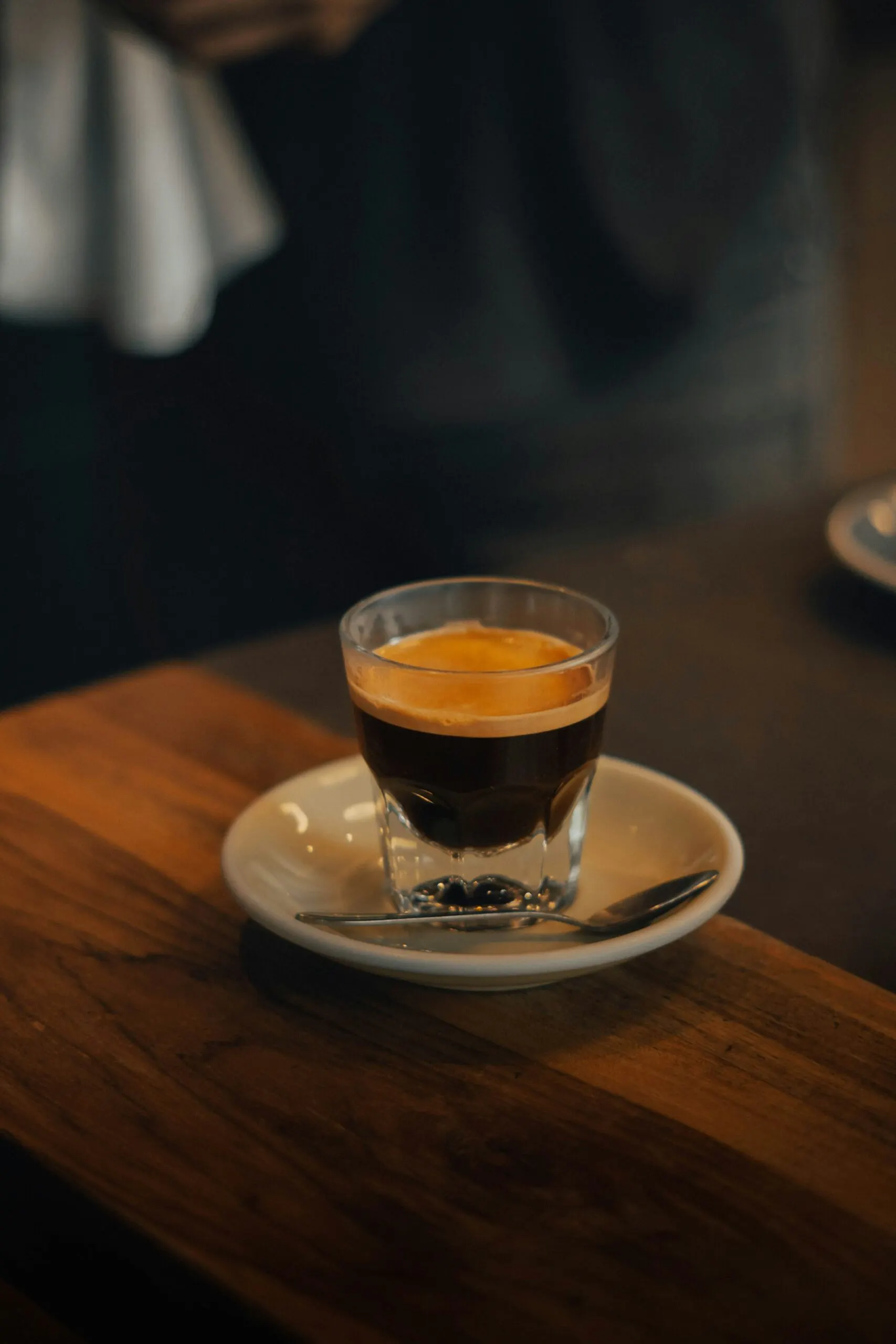
Great coffee at home doesn’t require an espresso machine. Two of our favourite methods cost very little and reward patience: the moka pot, the icon of every Italian kitchen, and the pour-over, the purest way to taste an origin.
The moka pot: a ritual, not a rush
The moka doesn’t make espresso — it makes something of its own: strong, aromatic and full, the coffee that generations of Italians have woken up to.
What you need
- A moka pot, clean and dry
- Medium-fine ground coffee — a little coarser than espresso
- Cold, fresh water
How we make it
- Fill the base with cold water up to the valve — never above it.
- Fill the filter basket with coffee without pressing. Level it with a finger. Tamping blocks the flow and burns the coffee.
- Screw the pot together firmly and put it on a low flame, with the lid open.
- Watch. As soon as the coffee starts to rise and turns pale and gurgling, take it off the heat. Slow is better.
- Stir the coffee in the upper chamber before pouring, so every cup tastes the same.
A final tip: never wash your moka with soap. Rinse with hot water and let it dry open. The moka is a ritual, not a hurry.
Our choice: the Classic Espresso Line — its chocolate and body are made for the moka.
The pour-over: every drop counts
Pour-over is slow, precise and transparent. It produces a clean, light-bodied cup where the floral and fruity notes of Arabica come forward.
What you need
- A dripper and a paper filter
- Medium-coarse ground coffee, like coarse sand
- Water at about 92°C — just off the boil
- A kettle with a thin spout, ideally, and a scale
How we make it
- Rinse the paper filter with hot water to remove the paper taste and warm the dripper. Discard the water.
- Add the coffee — a good starting ratio is about 1 g of coffee for every 16 g of water (for example 15 g coffee to 250 g water).
- Let it bloom. Pour about twice the weight of the coffee in water, just enough to wet it all, and wait 30–40 seconds. Fresh coffee will swell and bubble as it releases gas.
- Pour slowly, in concentric circles, from the centre outwards and back, keeping the water level steady.
- The whole brew should take around three minutes. Faster and sour? Grind finer. Slower and bitter? Grind coarser.
Our choice: the 100% Arabica Line or the current Limited Edition, to taste the origin at its clearest.
Two methods, one principle
Whether it’s the gurgle of the moka or the slow spiral of a pour-over, the rule is the same one we follow at the roaster: take your time. Every drop counts.