Journal
How to Store Coffee (and Why the Freezer Isn’t Your Friend)

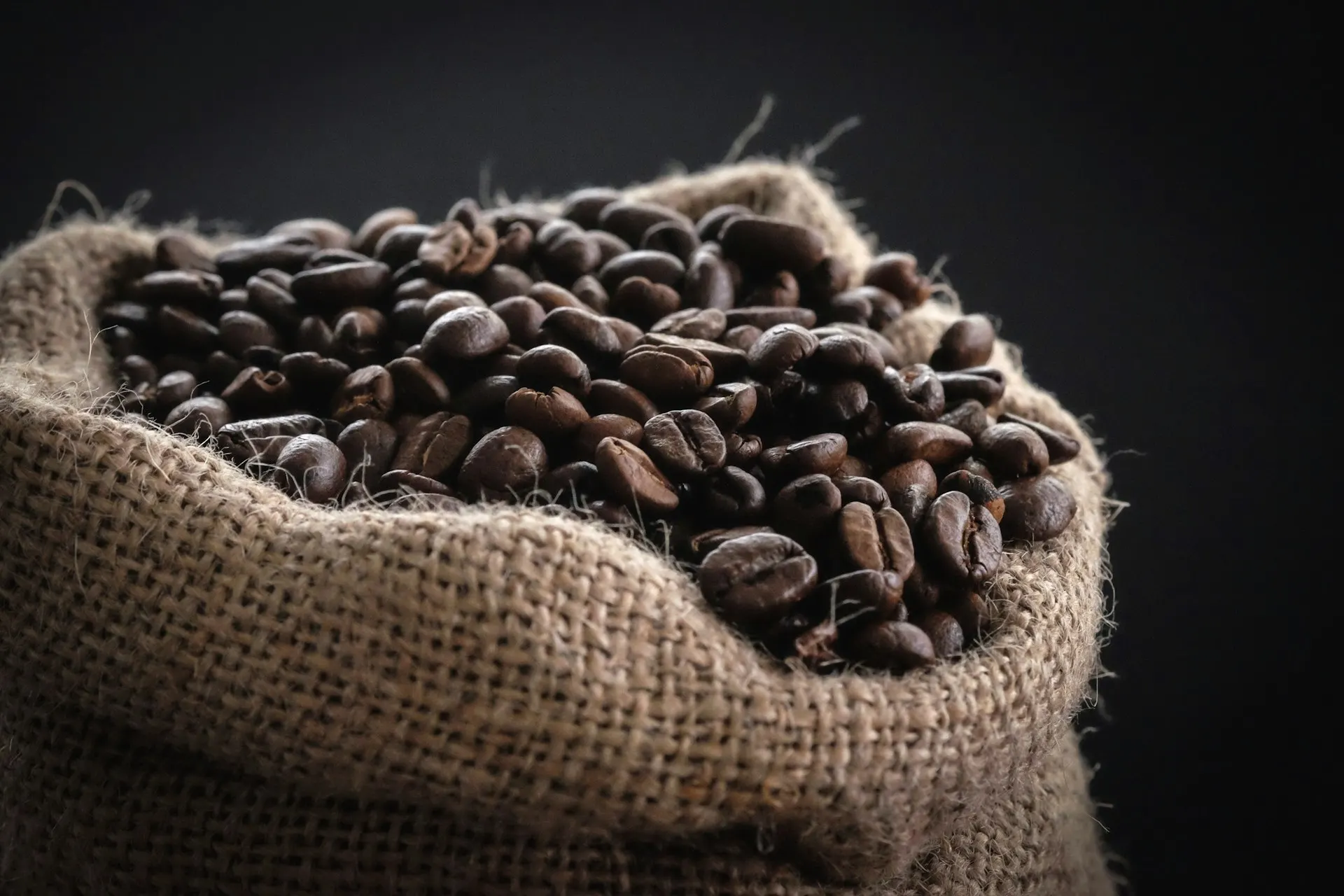
You can choose the finest beans and brew them perfectly, and still end up with a flat cup — because of what happened to the coffee in your cupboard. Storage is the easiest part of good coffee to get right, and the most often overlooked.
The four enemies
Roasted coffee is full of delicate aromatic oils and gases. Four things destroy them:
- Air — oxygen makes the oils go stale and rancid.
- Light — especially sunlight, which accelerates that degradation.
- Heat — near the oven, the kettle or a sunny window, coffee ages much faster.
- Humidity — moisture ruins roasted coffee and can make it go mouldy.
The simple rules
- Keep it in an airtight container, or in its original bag with the valve, pressed flat and tightly closed.
- Keep it in the dark — an opaque container in a cupboard, not a glass jar on the counter.
- Keep it cool and dry, away from the stove, the dishwasher and the window.
- Buy whole beans and grind just before brewing. Ground coffee has far more surface exposed to the air and loses its aroma in minutes, not weeks.
- Buy what you’ll use in two to three weeks. That’s the window in which we recommend enjoying our coffee after the roast date.
Why not the freezer?
It sounds logical: cold slows everything down. But every time you take the coffee out, the difference in temperature causes condensation on the beans. That moisture damages the oils and aromas, and coffee easily absorbs the smells of everything else in your freezer.
The fridge is even worse — humid, full of odours, and not cold enough to help. Temperature swings alter the aromas. Keep your coffee in the cupboard.
What the roast date tells you
This is why every Ferrara Caffè package carries its roast date — not just a best-before date. Coffee is at its most expressive in the weeks after roasting. A best-before date can be a year away; the roast date tells you the truth.
- First few days: the coffee is still releasing gas; espresso can be slightly unstable.
- Days 5–21: the sweet spot. Aromas are at their fullest.
- After a month: still drinkable, but gradually flatter.
No secrets. Just transparency — and a cupboard shelf that’s dark, dry and cool.