Journal
How Many Coffee Beans Are in an Espresso?

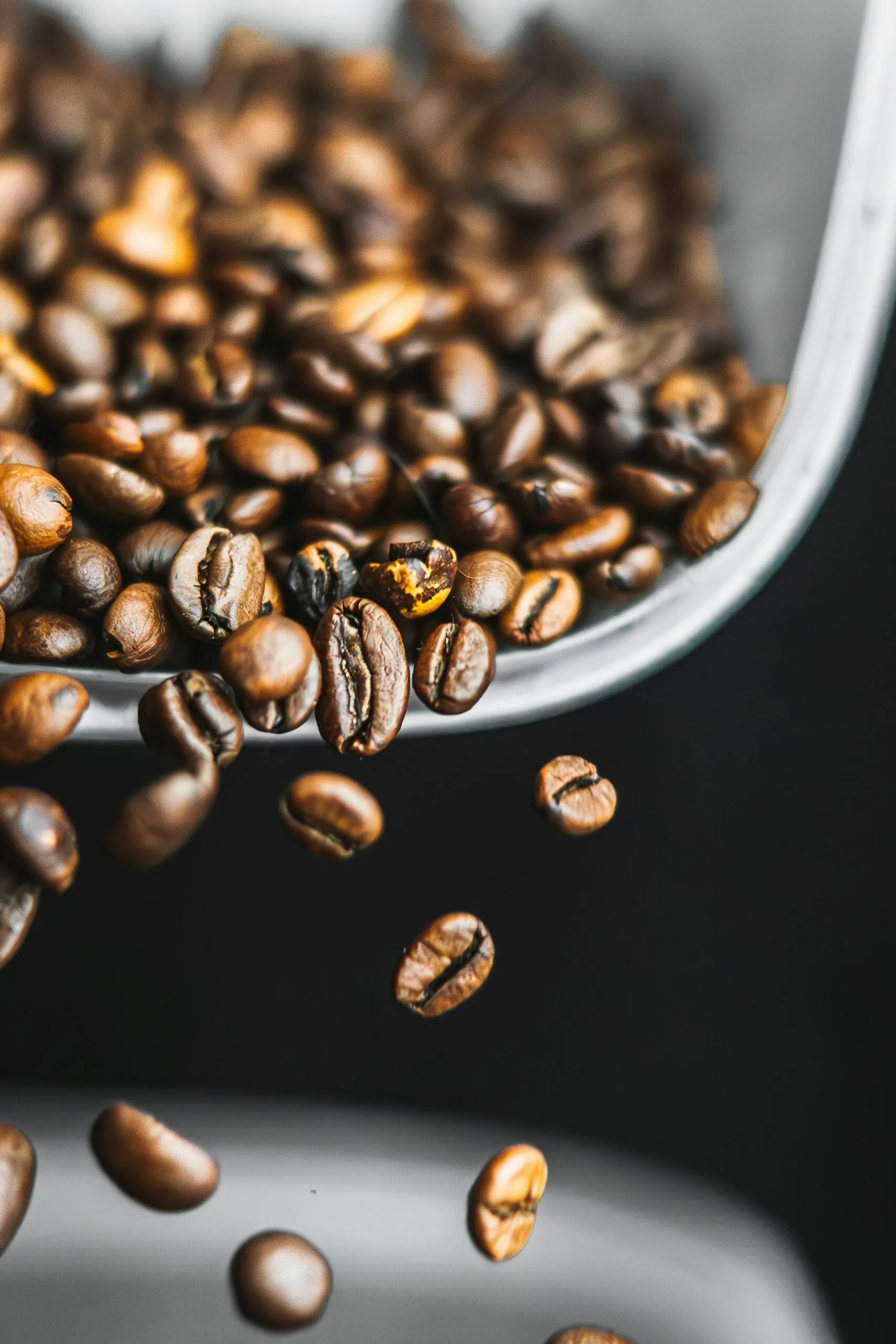
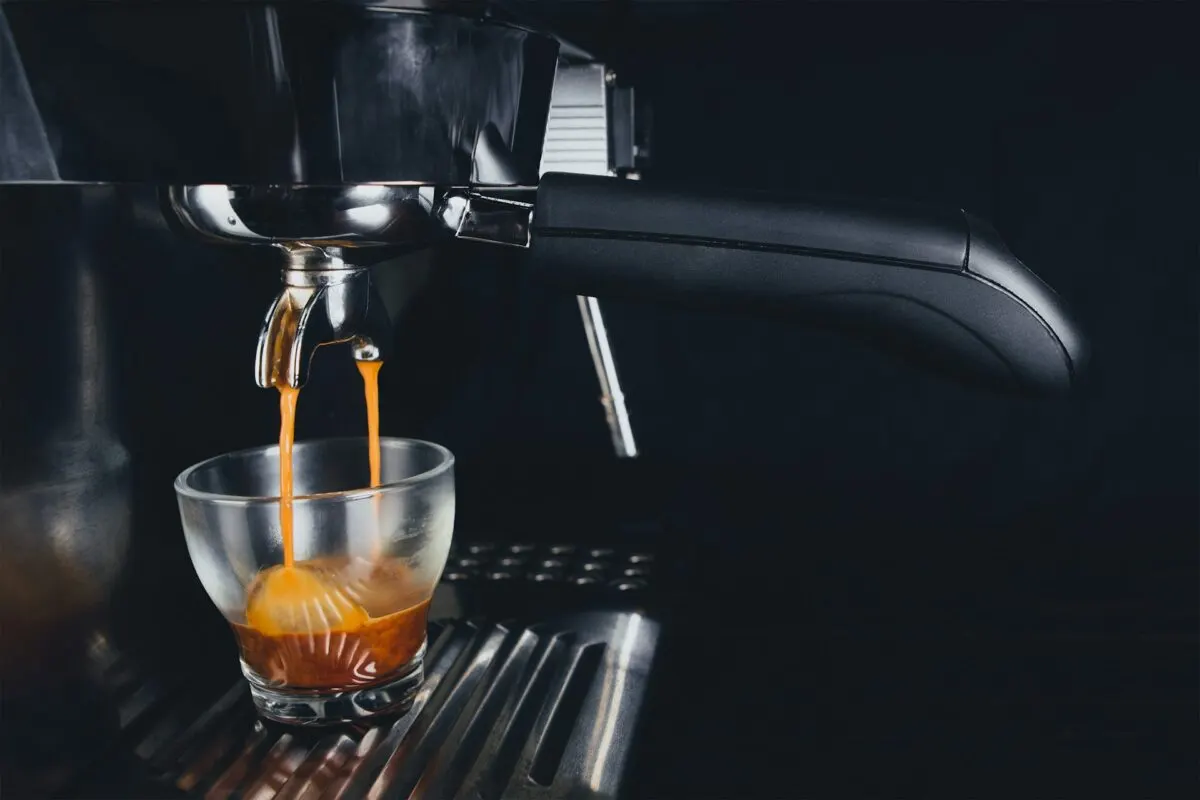
Short answer: a single Italian espresso is made with about 7 grams of ground coffee — roughly 50 roasted beans. A double uses 14–18 grams, which is around 100 to 130 beans. The exact count changes with the size of the bean and how dark it is roasted, but 50 is a reliable rule of thumb.
It is one of the questions we hear most often at tastings, and the answer says a lot about why selection matters. When only fifty beans end up in your cup, every single one of them counts.
How much does one roasted coffee bean weigh?
A roasted coffee bean typically weighs between 0.12 and 0.15 grams. Green (unroasted) beans are heavier: during roasting they lose most of their moisture and around 15–20% of their weight, while their volume grows. That is why a kilo of roasted coffee contains more beans than a kilo of green coffee.
Divide the 7 grams of a classic espresso by that weight and you arrive at roughly 47 to 58 beans. Fifty is the honest middle.
How many beans are in a bag of coffee?
Using the same average weight, here is what each pack size holds:
| Pack | Approximate beans | Single espressos (7 g) |
|---|---|---|
| 250 g | 1,700 – 2,000 | about 35 |
| 500 g | 3,400 – 4,000 | about 70 |
| 1 kg | 6,800 – 8,000 | about 140 |
You can try it yourself with the bean counter on our home page: pick a pack and see how many hand-selected beans are waiting inside.
What is the standard dose for an Italian espresso?
The Italian tradition is precise. A classic espresso is made with about 7 grams of coffee, water at roughly 88–92 °C, around 9 bar of pressure and an extraction of about 25 seconds, giving roughly 25 ml in the cup. Many cafés outside Italy now work with doubles of 14–18 grams; the method is the same, only the quantities change.
Why does the number of beans matter?
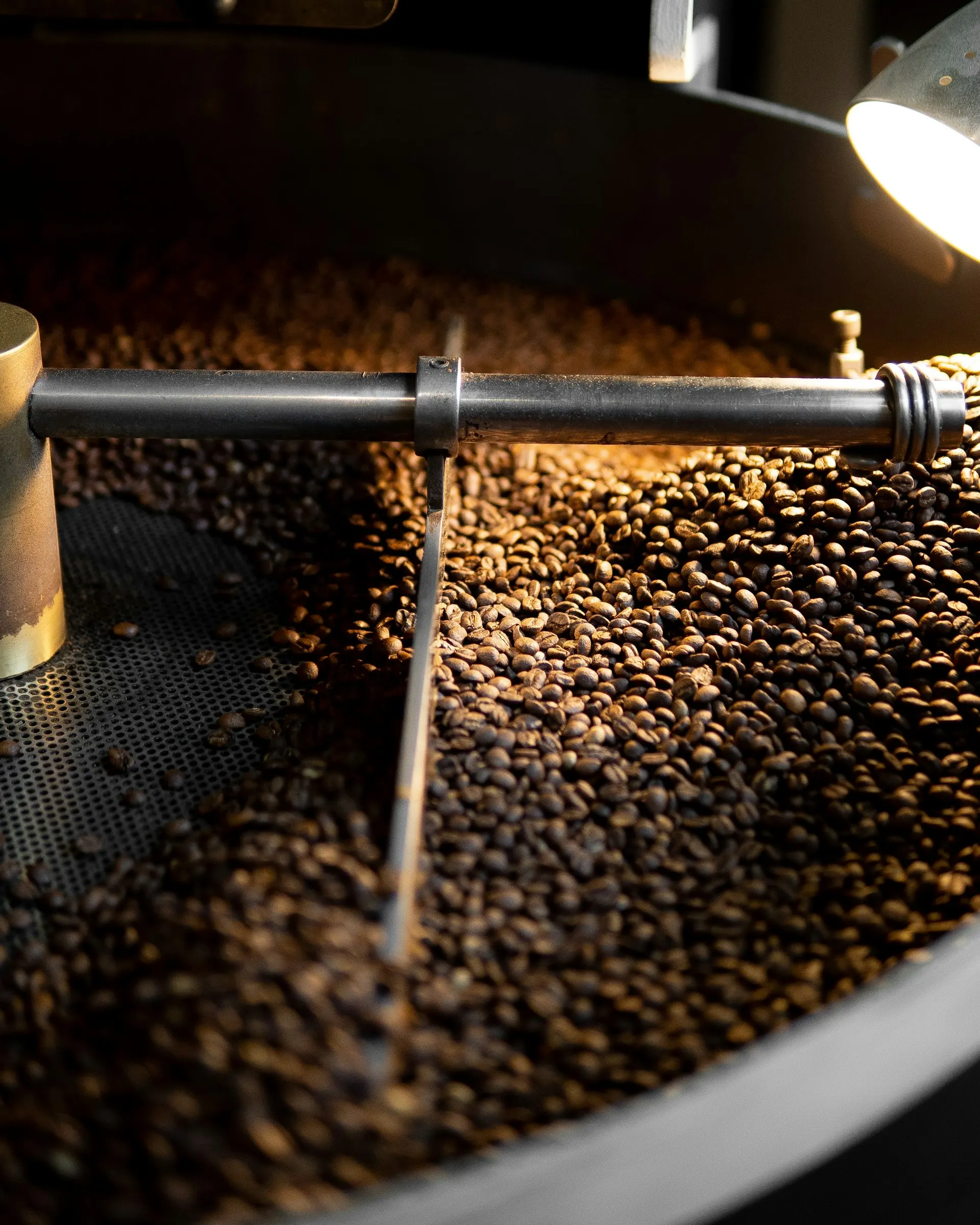
Because in a cup made from fifty beans there is nowhere to hide. One under-ripe, broken or over-roasted bean is a measurable share of the shot, and you taste it as sharpness, bitterness or a flat finish. This is the reason we select our beans by hand, lot after lot, and why every roast is observed, never simply timed.
The bean count also explains why grinding fresh is so important. Fifty whole beans protect their aromas inside their structure; once ground, the surface exposed to air multiplies and the aromatics begin to fade within minutes.
Does the roast level change the bean count?
Yes, slightly. Darker roasts lose more water and mass, so each bean is a little lighter and a 7 g dose contains a few more beans. Lighter roasts are denser and heavier per bean. Size matters too: large beans from some origins can bring the count below 45, small dense beans above 55.
Key takeaways
- Single espresso: about 7 g of coffee, roughly 50 beans.
- Double espresso: 14–18 g, roughly 100–130 beans.
- 1 kg of roasted coffee: 6,800–8,000 beans, enough for about 140 single shots.
- With so few beans per cup, selection and freshness decide the taste.
Frequently asked questions
How many coffee beans are in a single espresso?
A single Italian espresso uses about 7 grams of ground coffee, which is roughly 50 roasted beans. The exact number depends on bean size and roast level.
How many coffee beans are in a double espresso?
A double espresso uses 14–18 grams of coffee, or roughly 100–130 roasted beans.
How many coffee beans are in 1 kg of coffee?
One kilogram of roasted coffee contains roughly 6,800–8,000 beans. A 250 g bag holds about 1,700–2,000 beans and a 500 g bag about 3,400–4,000.
How many espressos can you make from 1 kg of coffee?
At 7 grams per shot, 1 kg of coffee makes about 140 single espressos, or 55–70 doubles depending on the dose.
Every pack of Ferrara Caffè carries its roast date and tasting notes, so you know exactly what those fifty beans will bring to your cup. Discover our three coffees — Premium, Selection and Classic.