Journal
Italian Roast Doesn’t Mean Burnt

Ask ten people what an “Italian roast” is and most of them will describe the same thing: very dark beans, an oily surface, a bitter, smoky cup. It is one of the most persistent misunderstandings in coffee — and it is not what we do.
For us, Italian-style roasting doesn’t mean burning the beans. It means finding the exact point of caramelization that gives the coffee its body, its sweetness and its balance. Stop too early and the cup is thin and sour. Go too far and every origin tastes the same: of carbon.
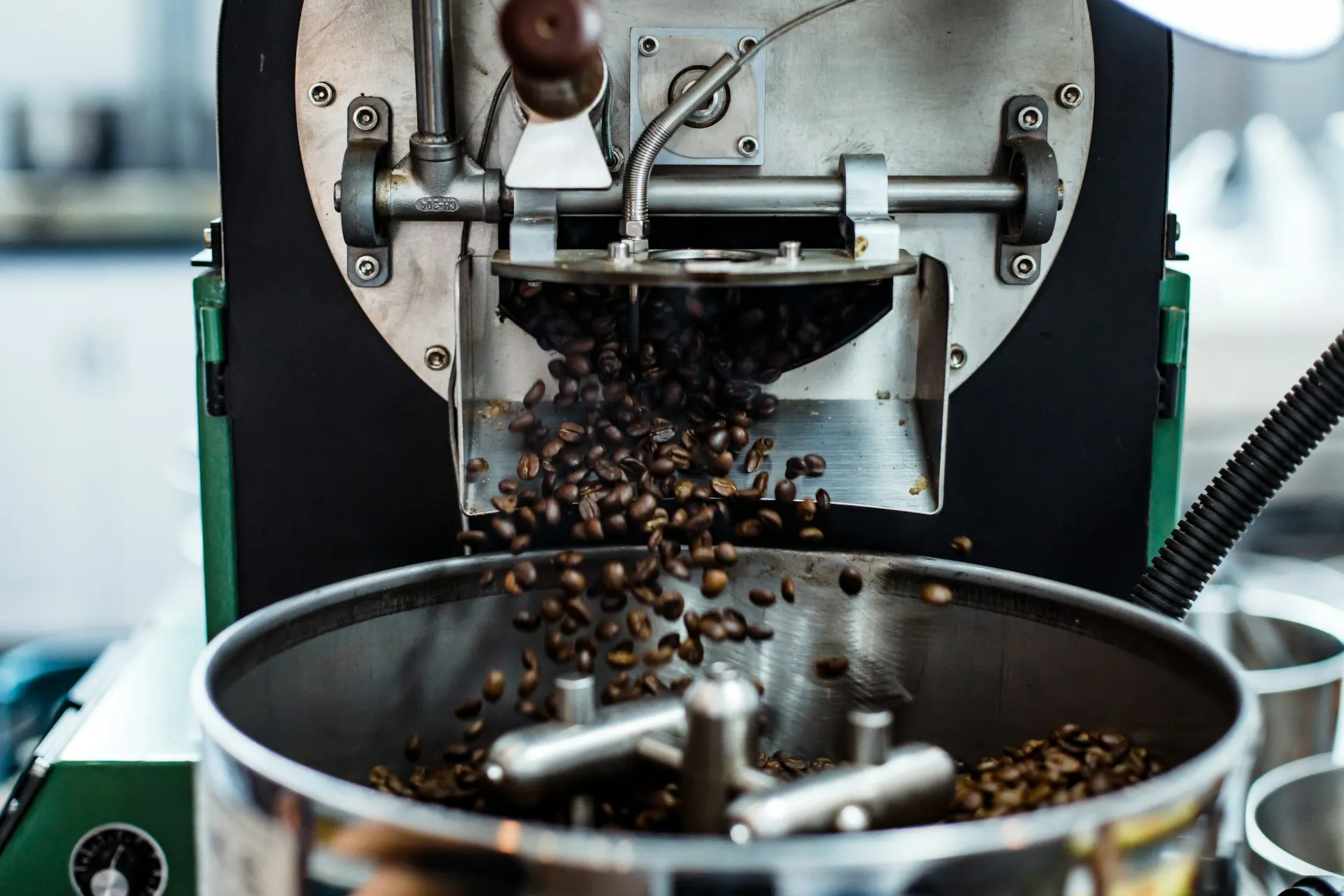
What actually happens inside the roaster
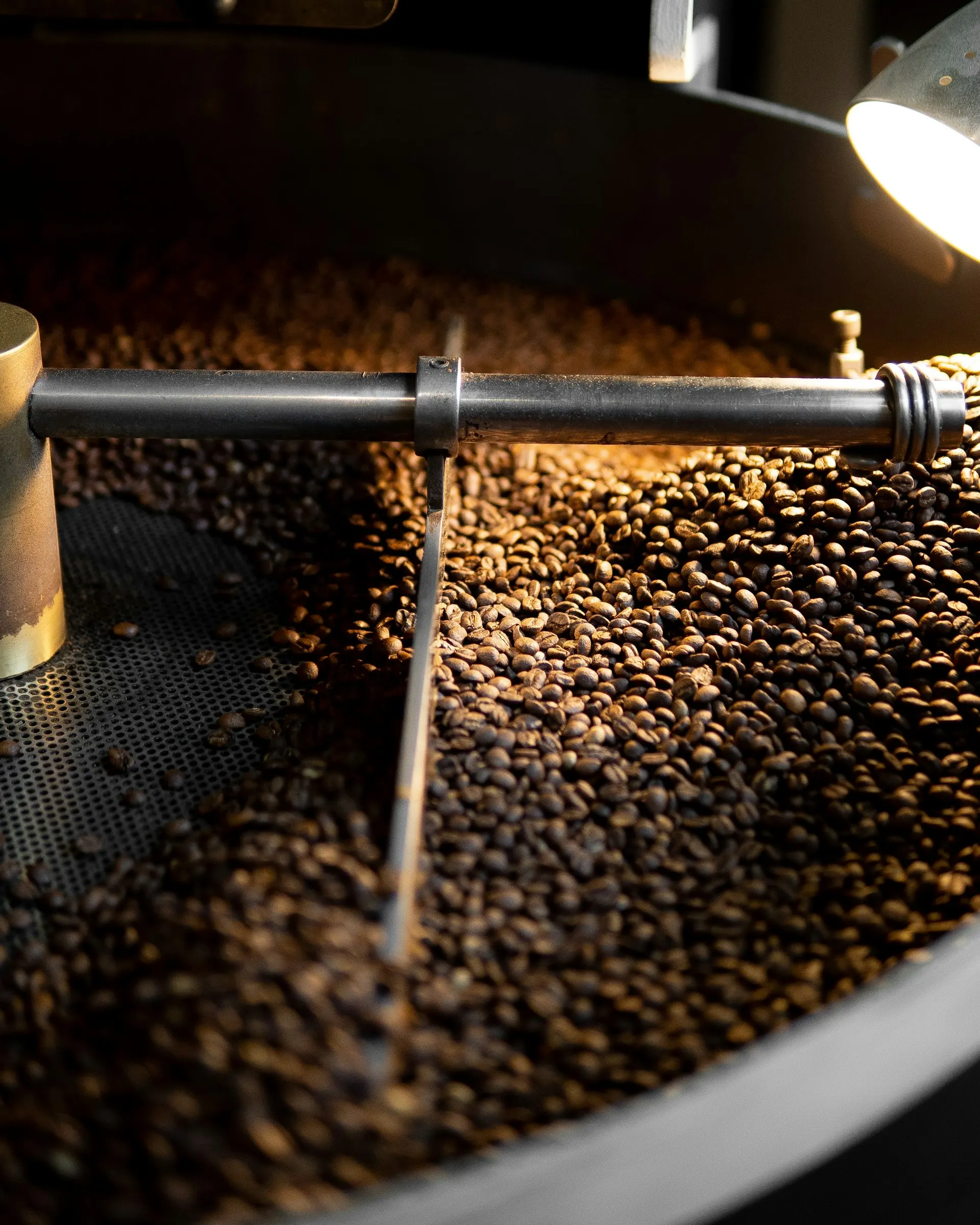
A green coffee bean is dense, grassy and almost odourless. Heat changes everything. As the temperature rises, the moisture inside the bean turns to steam, the bean swells and its colour moves from green to yellow, to cinnamon, to brown.
Two chemical processes do most of the work:
- The Maillard reaction — sugars and amino acids react and create hundreds of aromatic compounds: bread, nuts, toast, chocolate.
- Caramelization — the natural sugars in the bean begin to break down and brown. This is where sweetness and body are built, and where bitterness begins if you go too far.
The skill of the roaster is to guide the bean through both stages at the right speed and to stop it at the right moment. That moment is different for every lot.
The point of balance
The Italian espresso tradition asks for something specific from a roast: a full body that holds up in a small cup, a dense and persistent crema, low acidity and a long, sweet finish. That profile lives in a narrow window — developed enough to caramelize the sugars, not so far that they turn to ash.
This is why our Classic Espresso Line tastes of dark chocolate and not of smoke. The chocolate is caramelized sugar. The smoke would be a mistake.
Why “darker” became a shortcut
Very dark roasting hides things. It hides defective beans, it hides a lack of freshness, and it makes every origin taste alike — which is convenient if you are buying whatever is cheapest that month. It is also faster and more forgiving than a slow, controlled roast.
We don’t take that shortcut. We select every batch by hand, we roast slowly, and every roast is observed, never simply timed. A timer can tell you how long a roast took. It cannot tell you when the sugars are exactly where they should be. Colour, aroma and sound can.
How to recognise a good Italian roast in your cup
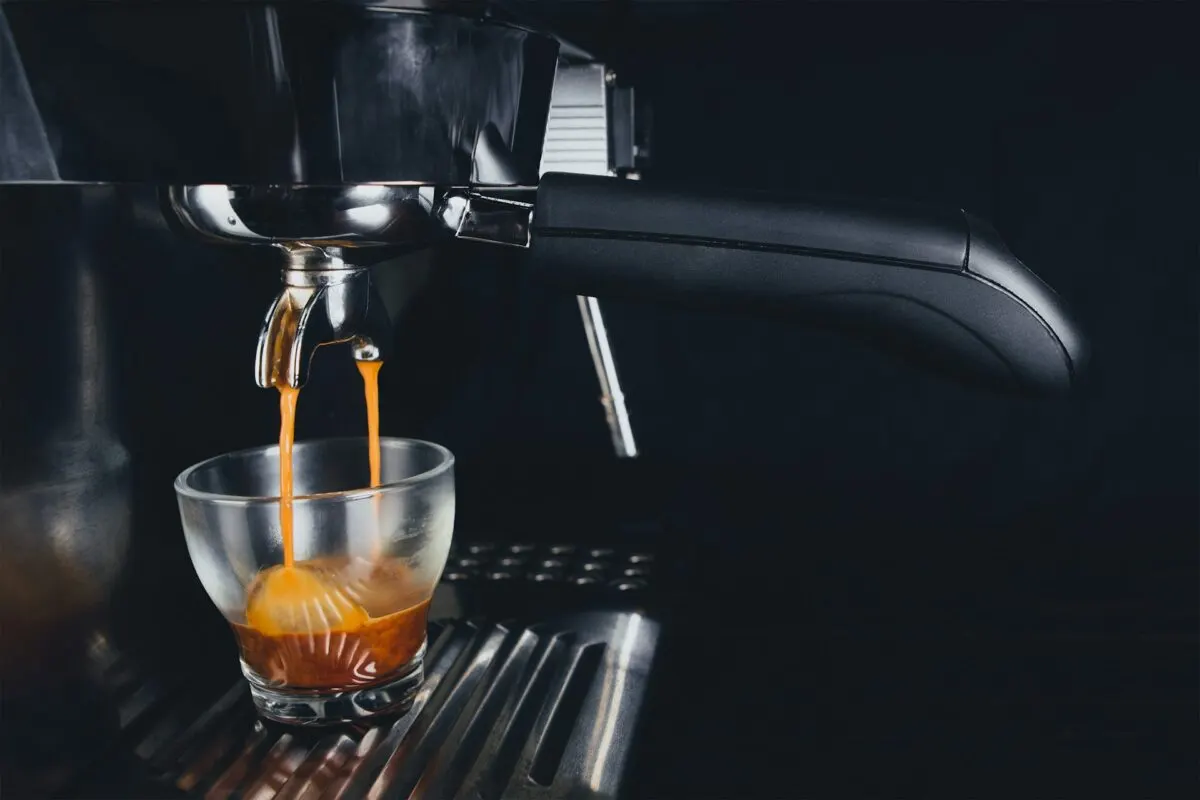
- The crema is hazelnut to deep brown, fine and persistent — not pale and quick to vanish, not dark and bubbly.
- The taste is round and sweet: chocolate, caramel, toasted nuts. Bitterness is present but pleasant, never harsh or ashy.
- The finish lingers. A burnt coffee disappears into dryness; a well-developed one stays with you.
- The beans have an even colour and only a light sheen. Heavy oil on fresh beans is usually a sign of a very dark roast.
Our promise
Every Ferrara Caffè package carries its roast date and its tasting notes. No secrets — just transparency. Because the best things take time, and a roast done right is something you should be able to taste, not something you have to take on trust.