Journal
How to Choose a Coffee Supplier for Your Café, Restaurant or Hotel

Short answer: choose a coffee supplier on five things — consistency from batch to batch, freshness you can verify (a roast date on every pack), a taste that fits your menu, training and equipment support for your team, and the real cost per cup, not only the price per kilo.
For a café, a restaurant or a hotel, espresso is often the last thing a guest tastes and the first thing they remember. As we wrote in The coffee you serve is your brand, your coffee speaks for you. Here is how to choose the partner behind it.
1. Is the quality consistent?
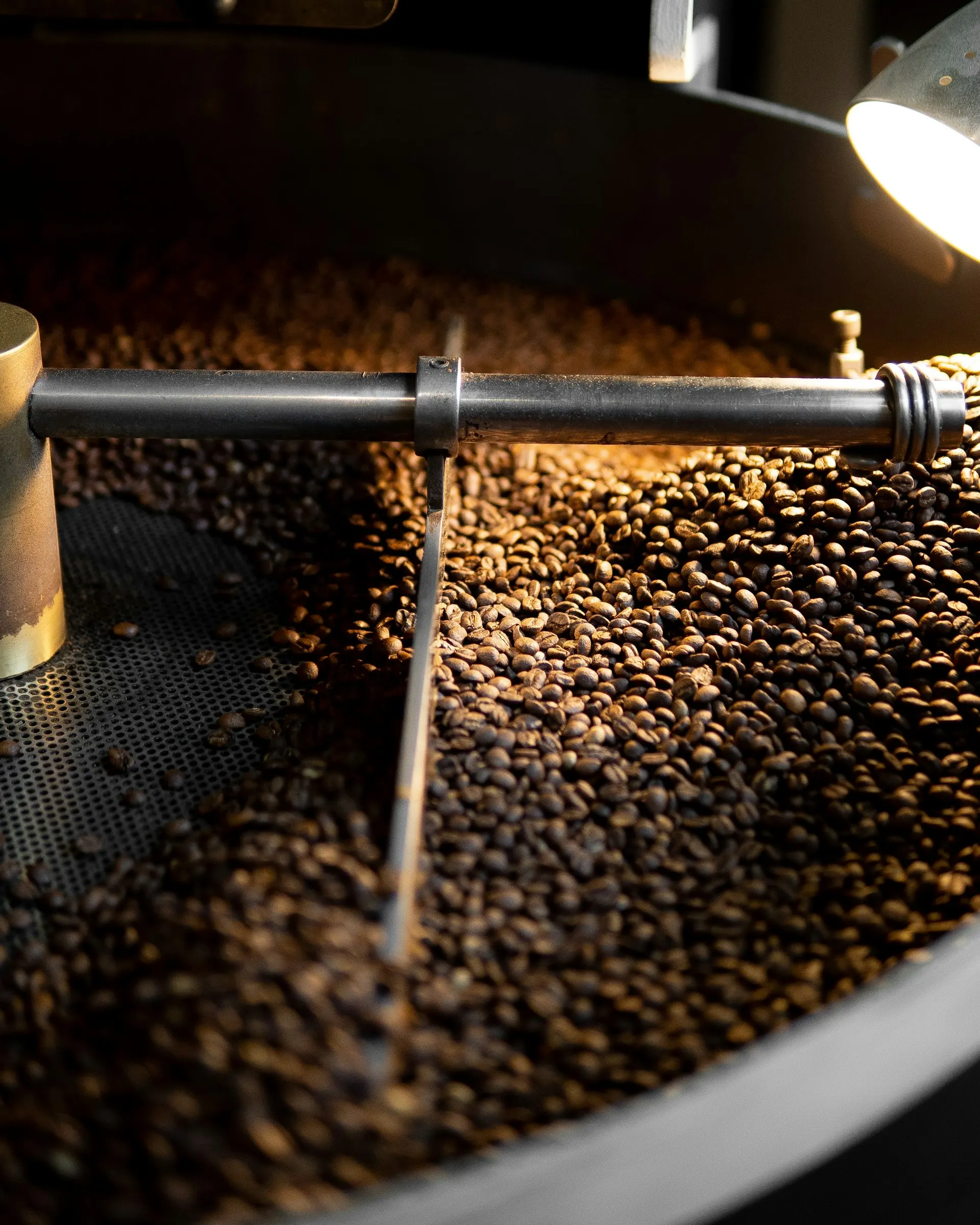
Your customers expect the same espresso on Monday morning and Saturday night. Ask how the beans are selected and how each roast is controlled. Consistency comes from selection by hand, roasting that is observed rather than simply timed, and careful cooling — the steps we describe in From farm to cup.
2. Can you check freshness?
Every pack should show its roast date. A best-before date alone tells you nothing about flavour. Plan deliveries so coffee is used roughly within one to six weeks of roasting, and keep stock rotating: first in, first out.
3. Does the coffee fit your menu?
Taste before you sign. Ask for samples and try them the way your guests will drink them: neat espresso, with milk, with sugar, after a meal. A coffee that shines as an espresso may disappear in a cappuccino, and vice versa. Bars and hotels with an evening offer should also consider coffee for cold brew and cocktails such as the Ferrara Espresso Martini.
4. Will they train your team and support your equipment?
The best beans can taste poor through a badly set grinder. A real partner offers barista training (dosing, grinding, extraction, milk), help with espresso equipment and maintenance, and someone you can call — a dedicated account manager rather than a call centre. Point-of-sale materials help your staff tell the story behind the cup.
5. What is the real cost per cup?
Compare suppliers on cost per cup, not price per kilo. One kilo of coffee gives about 140 single espressos at 7 grams per shot:
| Dose per cup | Cups per kg |
|---|---|
| 7 g (single) | about 140 |
| 9 g | about 110 |
| 14 g (double) | about 70 |
| 18 g (double) | about 55 |
A slightly more expensive coffee that is consistent, wastes less and lets you charge a fair price is usually the better business decision.
Checklist before you sign
- Roast date and tasting notes on every pack
- Samples tasted the way your guests drink coffee
- Barista training included
- Equipment supply or support and maintenance
- Packs and delivery rhythm adapted to your monthly volume
- One named contact for orders and problems
Frequently asked questions
What should I look for in a coffee supplier?
Consistent quality from batch to batch, visible roast dates, a coffee that suits your menu and customers, barista training, equipment support and a reliable delivery schedule.
How many espressos does 1 kg of coffee make?
About 140 single espressos at 7 grams per shot, or 55–70 doubles depending on the dose. This is the basis for calculating your cost per cup.
Should a coffee supplier provide barista training?
Yes. Even the best coffee tastes poor if the grinder is not set correctly. A good partner trains your team on dosing, grinding, extraction and milk.
How much coffee does a café use per month?
It varies widely: a small office or restaurant may use under 10 kg a month, a busy café or hotel 50 kg or more. A good supplier adapts packs and deliveries to your volume.
Ferrara Caffè works with cafés, restaurants, hotels, offices and distributors, with signature blends, barista training, equipment support and a dedicated account manager. Become a partner and tell us about your venue — we will prepare a tailored proposal.