Journal
How Italians Drink Coffee: A Guide to the Espresso Bar

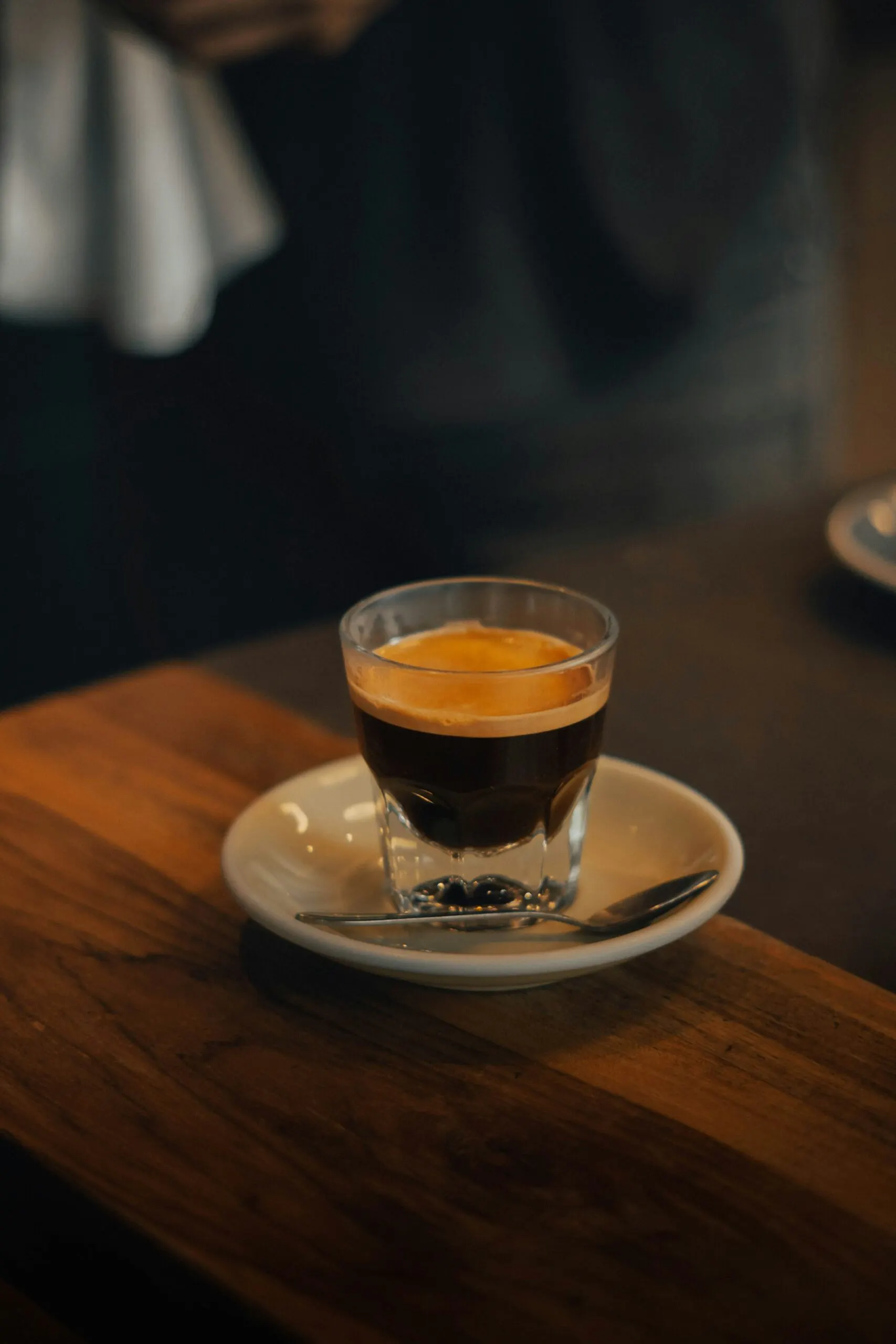
Short answer: in Italy, “un caffè” is an espresso. It is usually drunk standing at the bar, in two or three sips, often with a glass of water. Milky drinks such as cappuccino belong to the morning; after lunch and dinner, Italians order an espresso.
Coffee in Italy is less a drink than a rhythm: a short pause, many times a day, in the same bar, with the same barista. Born in Ferrara in 1958, our idea was never simply to sell coffee but to recreate that true taste of home. Here is how it works.
What should you order at an Italian bar?
| Order | What you get |
|---|---|
| Un caffè | A single espresso, about 25 ml |
| Caffè ristretto | A shorter, more concentrated espresso |
| Caffè lungo | A longer espresso with more water |
| Caffè doppio | A double espresso |
| Caffè macchiato | Espresso “stained” with a little milk foam |
| Latte macchiato | Hot milk “stained” with espresso, served in a glass |
| Cappuccino | Espresso with steamed milk and a dense foam |
| Caffè corretto | Espresso “corrected” with a splash of grappa or liqueur |
| Caffè shakerato | Espresso shaken with ice and sugar, served cold in summer |
Be careful with one word: if you ask for un latte, you will receive a glass of milk.
Why do Italians drink espresso standing up?
Drinking al banco, at the counter, is fast, social and usually cheaper than sitting at a table, where table service is added to the price. You pay at the till or the bar, place your receipt on the counter, say good morning to the barista and enjoy your coffee in a minute or two. It is not a hurried habit: it is a ritual repeated so often that it needs no ceremony.
Is cappuccino only for the morning?
Traditionally, yes. Milk drinks are seen as breakfast, often with a cornetto. After a full meal, a cappuccino feels heavy, so Italians choose an espresso to close lunch or dinner. Nobody will refuse to make you a cappuccino in the afternoon, but now you know why the barista may smile.
How should an Italian espresso taste?
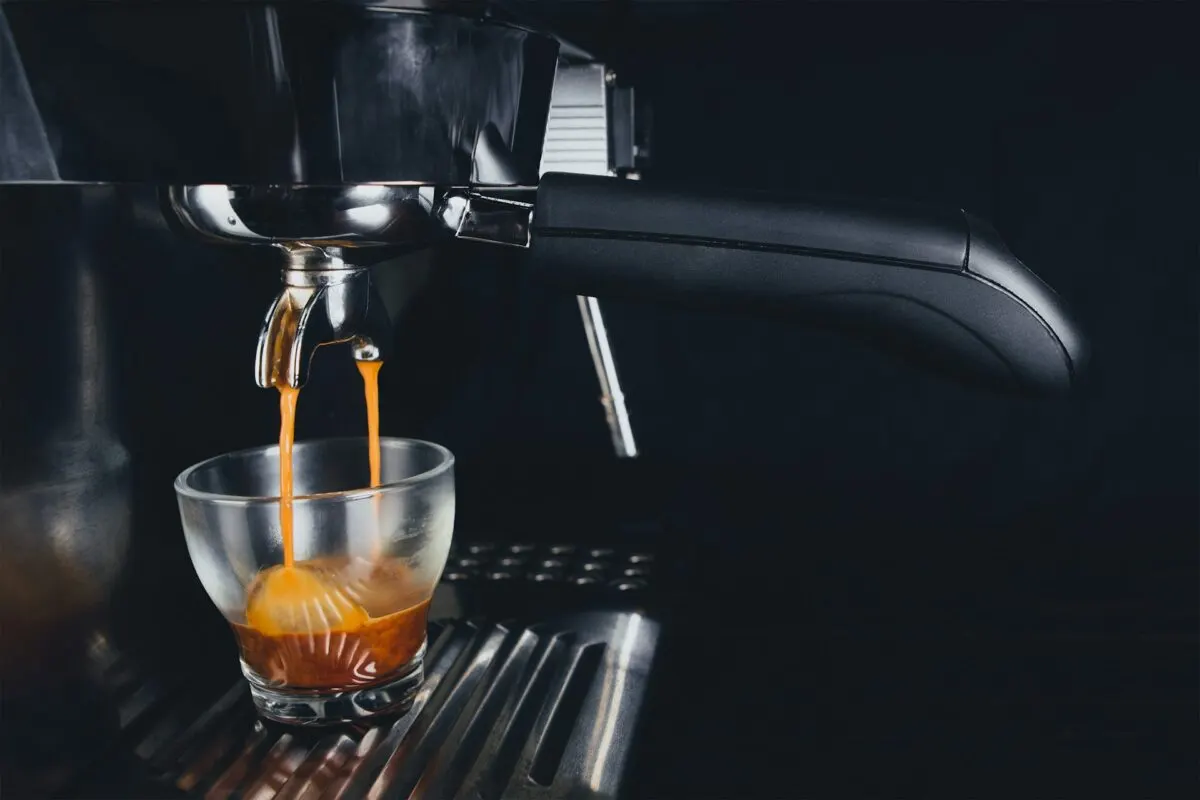
A good espresso has a hazelnut-coloured crema that closes back over itself, a dense body, a balance of sweetness and bitterness and a long finish. It should never taste burnt: Italian roast doesn’t mean burnt. Many Italians drink it with a little sugar; others take it amaro, without. Stir it once, drink it hot, and do not wait — crema and aroma fade quickly.
Can you recreate the Italian bar at home?
Yes. Use freshly roasted beans, grind them just before brewing, preheat your cup and aim for a short, intense extraction. Our guide to the perfect espresso at home and our article on the moka pot walk you through it step by step.
Key takeaways
- “Un caffè” = an espresso; “un latte” = a glass of milk.
- Espresso is drunk at the bar, quickly, often with water.
- Cappuccino and milky drinks are for the morning.
- A good espresso is dense, sweet-bitter and never burnt.
Frequently asked questions
What do you get if you order “un caffè” in Italy?
An espresso. In Italy “caffè” means a single espresso, usually served in a small cup with a glass of water.
Do Italians drink cappuccino after lunch?
Traditionally, no. Cappuccino and other milky coffees are a breakfast drink, usually enjoyed until late morning. After meals Italians prefer an espresso.
Why do Italians drink coffee standing at the bar?
Drinking “al banco”, at the counter, is quick and sociable and is often cheaper than sitting at a table, where service is added to the price.
What is the difference between a ristretto and a lungo?
A ristretto uses the same coffee with less water, for a shorter, more concentrated shot. A lungo uses more water, for a longer, lighter cup.
Bring the Italian bar home with Ferrara Caffè — discover our three coffees or read our story, from Ferrara since 1958.