Journal
From the Plantations: How Climate and Soil Shape Your Cup

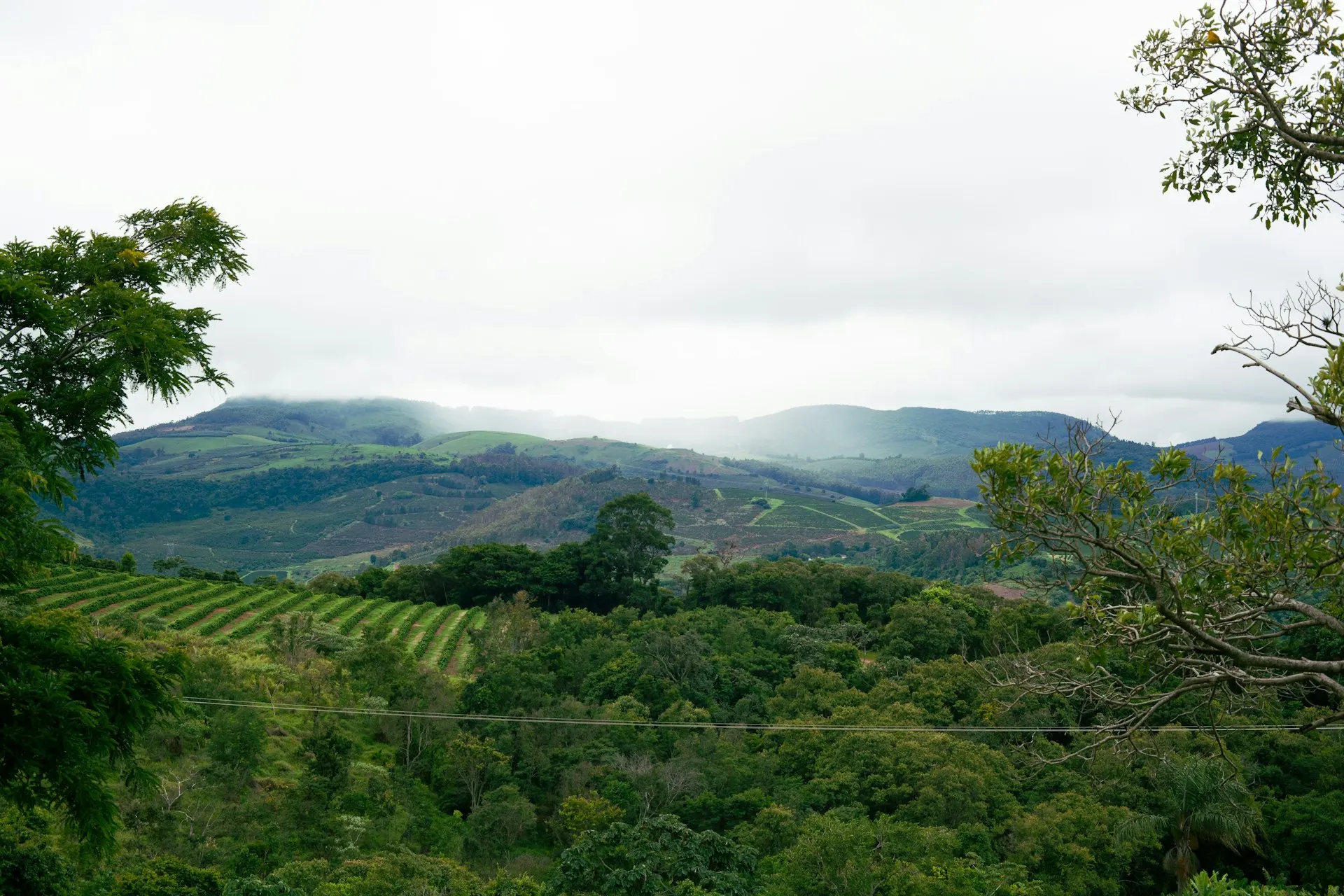
Coffee is a fruit before it is a drink, and like any fruit it tastes of the place where it grew. Before a single bean reaches our roaster, most of its character has already been decided — by altitude, by rain, by soil, and by the hands that picked and processed it.
That is why we say we don’t just buy beans. We choose stories.
Altitude: the slow ripening
Coffee grows in the tropics, but the most expressive coffees grow high up, often above 1,500 metres. Cooler nights slow the ripening of the cherry. A slower ripening means more time to build sugars and acids, and a denser bean with more complex aromatics.
High-grown coffees tend to be brighter, more floral and more layered. Lower-grown coffees tend to be rounder, softer and heavier in body. Neither is better; they do different jobs in the cup.
Ethiopia: the birthplace of Arabica
Ethiopia is where Arabica coffee comes from, and its highland forests still hold thousands of native varieties. Combine that genetic diversity with high altitude and rich soils, and you get cups that can taste of jasmine, bergamot, citrus and stone fruit.
These are the qualities we look for in our 100% Arabica Line: floral, citrusy, elegant — a more delicate and complex cup.
Brazil: body, sweetness and chocolate
Brazil is the largest coffee producer in the world, and many of its farms sit on wide plateaus at moderate altitude, with a long dry season. Coffees from these regions are often low in acidity with a heavy body and notes of chocolate, caramel and roasted nuts.
That profile is the backbone of a great Italian espresso: the round, sweet, full-bodied cup with a persistent crema that defines our Classic Espresso Line.
Processing: the step that changes everything
After picking, the fruit must be removed from the seed. How it is done has a huge influence on flavour:
- Washed — the fruit is removed before drying. Cups are clean, bright and precise; the origin speaks clearly.
- Natural — the whole cherry dries in the sun with the seed inside. Cups are sweeter, fruitier and heavier, sometimes with notes of berries or wine.
- Honey — part of the sticky fruit is left on during drying, landing somewhere in between.
From story to blend
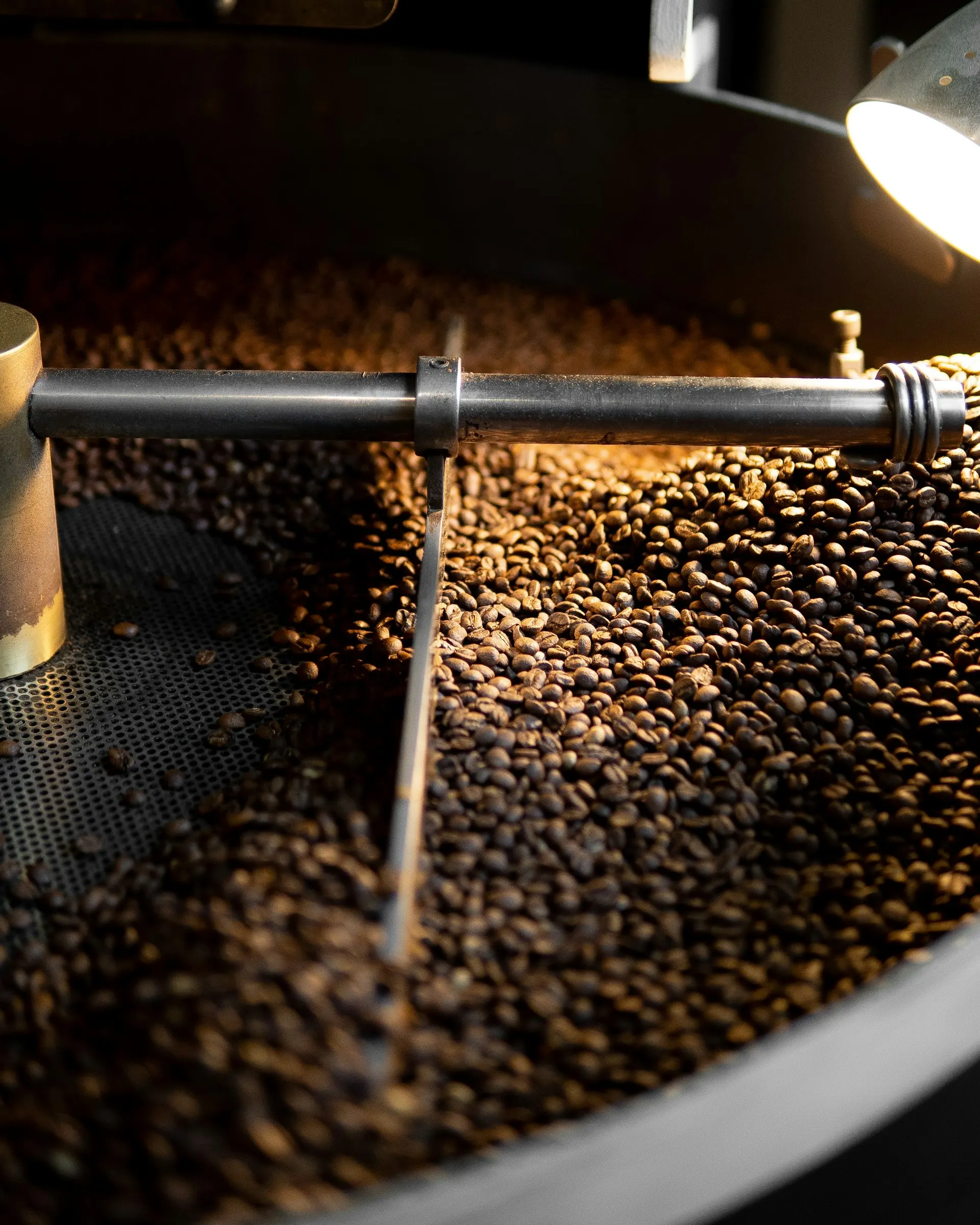
A blend is a conversation between origins. One brings body, another brightness, another sweetness. Our job is to select every batch by hand, taste it, and roast it in a way that respects what the farm already put inside the bean — slowly, observed, and air-cooled to keep its identity.
And when a single farm produces something exceptional, we don’t blend it at all. We roast it in small batches as a Limited Edition. When it’s gone, it’s really gone.